
Turning manufacturing around
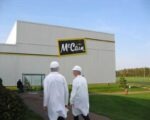
The announcement by McCains of their closure in Hastings and that of Heinz Wattie’s to close three sites around the country has come with a (wait for it) vacuum of comment, suggestions and concern. Neither does it affirm the benefits of having fifty cent cans of vegetables coming into NZ for sale in supermarkets. It shows greed is alive and kicking! Especially if growers need to readapt and align with the dairy and sheep sectors to survive. Where are the industry leaders, Government officials and ministers leading the charge to do something about the situation, so we do not continue to see the reduction in manufacturing throughout this and other sectors? Have any ideas been expressed and shared as to how this situation can be reversed because, after all, we do want home grown produce and continue to have pride in our land-based industries, don’t we? Is the lack of outrage down to the lack of belief in the ability to come up with concrete ideas to turn the sector around. This must at least be the bottom line to bring about change. Here are a couple you can feed back to me on. Or you might have an idea you want to share: Idea No.1 Is it possible for all affected growers to pull together their produce and start a grower’s co-op, on the North Island and on the South Island, to take on the supermarkets, get a decent return for their efforts and continue to have the populous support “home grown”? Idea No 2 The nation of 5m deposits $1 a week, for a month, into a bank account, NZ Future Manufacturing (for example). After the month there will be $20m in the account. A site is selected, central North Island (Palmerston North, for example) where a manufacturing […]