
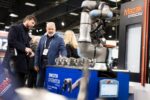
EMEX is with us again
From May issue, NZ Manufacturer magazine The latest version, EMEX 2026, is mere days away. The most focussed trade fair for manufacturing businesses in New Zealand continues to display the latest and advanced equipment and technology which our companies require to improve their levels of Productivity and to make better their chances of success on local and export markets. There is no getting away from the fact that New Zealand’s future depends on continuing to find avenues overseas for our quality products. We can’t, of course, guarantee markets. We strive to be product perfect and cost competitive, in a cluttered world where it is everyone for themselves. And the technology and expertise from EMEX 2026 can help your company get there. There is a real plethora of events for your interest, including the Make NZ Industry Conference; the Epicor Knowledge Theatre; Harnex AI Workshops; the Minister for Manufacturing Awards; plus, a host of Industry Speakers, including Ian Walsh from Argon & Co and David Altana from The Better SMB, to bring you up to date with expert advice for better business. Enjoy the trade show, savour in the experience, make new business contacts and make every second count as you network for your company’s future. -Doug Green, Publisher, NZ Manufacturer magazine