








Businesses urged to adapt to keep trading
The Employers and Manufacturers Association is urging businesses to adapt to the restrictions of Alert Level 3 so they can stay open and keep trading. “With Health Minister Chris Hipkins more or less ruling out Alert Level 4 restrictions today it’s important for businesses to remember that they can open […]

Treotham New Zealand merges with Automation Equipment
Treotham New Zealand is excited to announce the merger of their business operations to offer customers even more support as well as a larger range of products to provide a more complete solution. Treotham has acquired the Automation Equipment assets, staff and customer contacts and the merged business will operate […]

The IoT supply chain risk: Why everyone should pay attention to Ripple20 vulnerabilities
By Michael DeCesare, chief executive officer and president, Forescout. We see IoT and connected devices all around us – there are billions of them, and they are hard to miss. I speak all the time about the cybersecurity challenges these devices pose, and advocate for organisations to protect themselves. But sometimes the […]
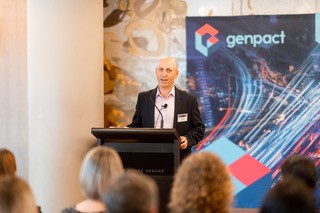
Reimagining supply chains to build long term resilience in a post-Covid world
By Richard Morgan, Country Manager, Genpact The Covid-19 pandemic has disrupted all facets of supply chains. Whether it is in the retail, telco, or transport industries both global and local supply chains have been severely tested, having to adapt to new demand patterns, supply constraints and logistical challenges. This unprecedented […]

Siemens delivers Artificial Intelligence-powered CAD sketching technology
Siemens Digital Industries Software has a new solution for capturing concepts in 2D. The new NX Sketch software tool revolutionises sketching in CAD, which is an essential part of the design process. By changing the underlying technology, users are now able to sketch without pre-defining parameters, design intent and relationships. […]

Treotham announces exclusive partnership with long-time supplier igus
Treotham New Zealand is pleased to announce that they have been appointed by igus as their exclusive distributor across the New Zealand market for their innovative motion plastics. Treotham New Zealand and igus have been working closely together for over 9 years and have recently been appointed as their exclusive […]
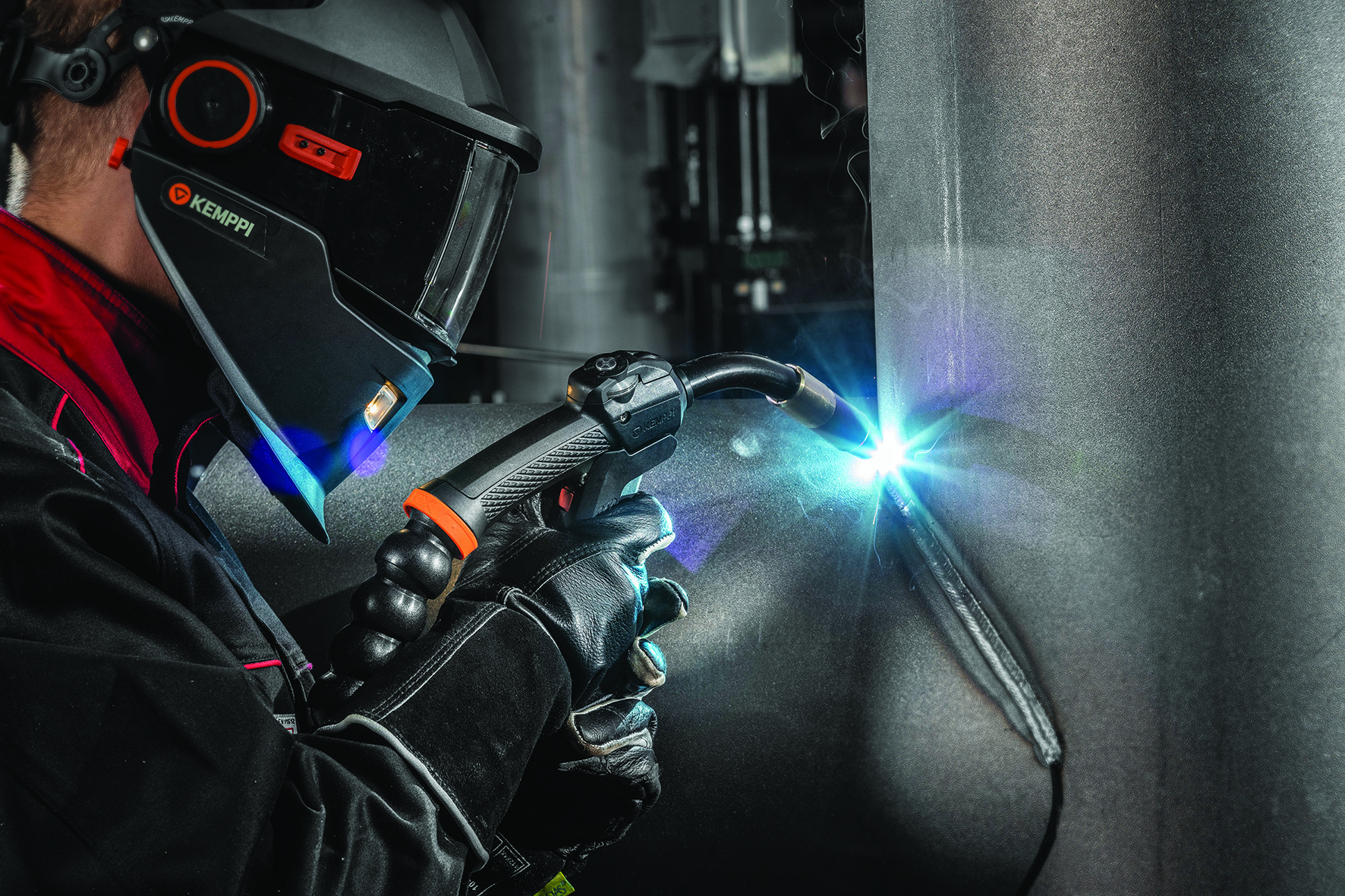
Ensuring a safe welding environment
Health and safety hazards are a critical consideration in any workplace for both the employer and employees, and the welding workplace is no exception. However, if safety measures are accurately implemented then much of the risk can be mitigated, if not fully eliminated. Welding can present numerous health risks to […]

RAM3D ramps up production runs in metal 3D printing
RAM3D is a metal 3D printing facility and hi-tech manufacturing company 3D printing parts for a diversity of world-wide industries. They have been involved in additive manufacturing for 10 years and are based in New Zealand. Throughout most of the world, two of the early adopters of 3D printing technology […]

Money for regional apprenticeships good for local economies
Channelling $40 million from the Provincial Growth Fund into regional apprenticeships will be good for local economies, says BusinessNZ. The funding announced by the Regional Economic Development Minister will be available to regional apprentices and employers once Maori and Pacific candidates and those laid off because of Covid-19 have been […]

Competenz CEO appointed to Workforce Development Council
Competenz CEO Fiona Kingsford has been appointed to the interim Establishment Board of the Manufacturing, Engineering, Logistics and Technology (MELT) Workforce Development Council (WDC), providing critical industry experience in the formation of the new standards setting body for industry training. Her appointment will ensure the 37 industries currently represented […]

Why be Sustainable?
‘God’s Own’ country has a global reputation for natural beauty, egalitarian society, its nuclear-free stance, a clean green environment, world class food and innovative business. New Zealand’s history, culture and economy has always been closely connected with nature. We have much to be proud of, and yet there is still […]

Book Review:Abolish Silicon Valley: How to Liberate Technology from Capitalism
Former insider turned critic Wendy Liu (pictured) busts the myths of the tech industry, and offers a galvanising argument for why and how we must reclaim technology’s potential for the public good. Innovation. Meritocracy. The possibility of overnight success. What’s not to love about Silicon Valley? These days, it’s hard […]

Age-Inclusive Manufacturing: Making Flexibility Fair on the Factory Floor
By Shyamini Szeko, reflecting on Master’s research into ageing and work in New Zealand manufacturing (AcademyEx, 2025) Why Flexibility Matters “My 32-hour week lets me maintain a healthy sleep schedule and personal life,” one long-serving factory worker told me during my research. That small adjustment meant he could keep working instead of being forced to leave early. But not everyone is offered this chance. In my survey, 86% of manufacturing staff said flexibility is “very important,” yet almost half reported seeing no age-inclusive action in their workplace. The message is clear: older workers want to stay engaged, but workplaces are not keeping pace. Unless manufacturers change course, they risk losing valuable skills and knowledge just when they need them most. The Flexibility Gap On the office side of manufacturing, flexibility is common. Staff can work from home, adjust hours, or take phased retirement. But on the factory floor, older workers face rigid shifts, heavy physical demands, and inconsistent support. As one HR professional told me: “Flexibility simply does not work on the factory floor.” Yet my research shows that is not true. Even modest changes to duties or scheduling can keep people in the workforce for longer. The issue is not whether flexibility can work, but that it is unevenly applied, often depending on the goodwill of a manager instead of fair, transparent policy. Health, Shifts, and Real Lives Rigid shift patterns can take a toll. Fatigue, musculoskeletal strain, and disrupted sleep become harder to manage with age. When schedules are adapted, the impact is immediate. The worker who moved to a 32-hour week is one example. Others told me that reduced rotations or less physically demanding duties made the difference between staying on the job or considering early retirement. Flexibility is not about lowering standards. It is about sustaining […]