

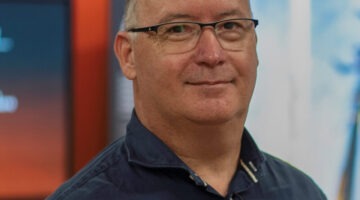






New Engineering New Zealand President to focus on diversity
Engineering New Zealand’s new President Ben Holland says diversity and inclusion will be a strong theme of his tenure. A Wellington-based civil engineer who is Head of Commercial and Major Projects Governance at WSP Opus, Ben says he is determined to make the engineering profession more welcoming and accepting of […]

The critical role of IIoT in the future of food processing
Michael Cahill, Rockwell MES Technical Consultant As the old adage goes, an ounce of prevention is worth a pound of cure. New Zealand food companies, that often produce high value-add product that is exported around the globe, value their brand and reputation. Things are changing. Customer expectations for food safety […]

3D printing the next generation of machinery
By Ben Murton and Associate Professor Don Clucas, Dept of Mechanical Engineering, University of Canterbury While metal 3D printing is regularly used for components such as brackets, rocket parts and turbine fuel nozzles, it is rarely used as the major manufacturing process for an entire mechanical system. In a world […]

Transforming the manufacturing industry with Internet-of-Things
By Mike Russell COO Central Innovation In a highly competitive global marketplace, businesses are searching for and adopting revolutionary technology and processes to stay relevant. According to the latest IDC Worldwide semiannual Internet of Things Spending Guide[1], New Zealand shares the second highest position with Australia in APAC region when […]

Gumboot technology
You are starting a manufacturing company. You are considering making rockets, yachts, gumboots or rubbish bins. So, you visit SouthMACH, the leading South Island trade show for manufacturers in the know and for aspiring manufacturers who are looking for the best in technology and equipment to help get their business […]

$5 billion additional costs from a capital gains tax
BusinessNZ has released an analysis of additional costs to the economy that would accompany the direct costs of New Zealand’s proposed capital gains tax. It shows compliance costs of $1.6 billion, administrative costs of $210 million and deadweight costs of $1.5 – $4.2 billion, over five years.- BusinessNZ Chief Executive […]

One week to stop apprenticeship reforms
This week is the last opportunity to make a submission on the Government’s poorly thought through apprenticeship reforms, Industry Training Federation Chief Executive Josh Williams says. Mr Williams says workplaces will end up with less control over training. The reforms propose to transfer responsibility for industry training and apprenticeships away […]

NZ economy: cross-currents of risk
Cross-currents of international and domestic risk raise the need for sound economic risk management, according to the latest BusinessNZ Planning Forecast. The BusinessNZ Planning Forecast for the March 2019 quarter highlights international trading risks, particularly around Brexit and US-China trade. Domestic risk factors include concerns over a capital gains tax, […]
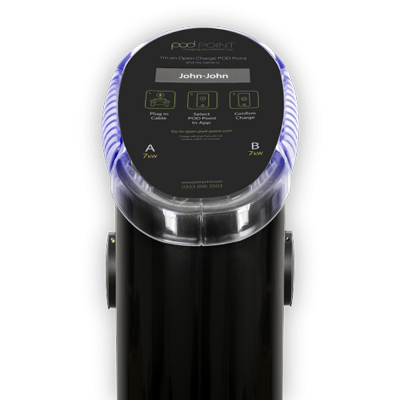
Point Pod latest start-up success story
A new innovative product that solves your household power problems has teamed up with Australia and New Zealand’s large distributor just six months after making its market debut. Point Pod finally solves the problem of not having enough power outlets in your kitchen by hiding a pop-up unit beneath your […]
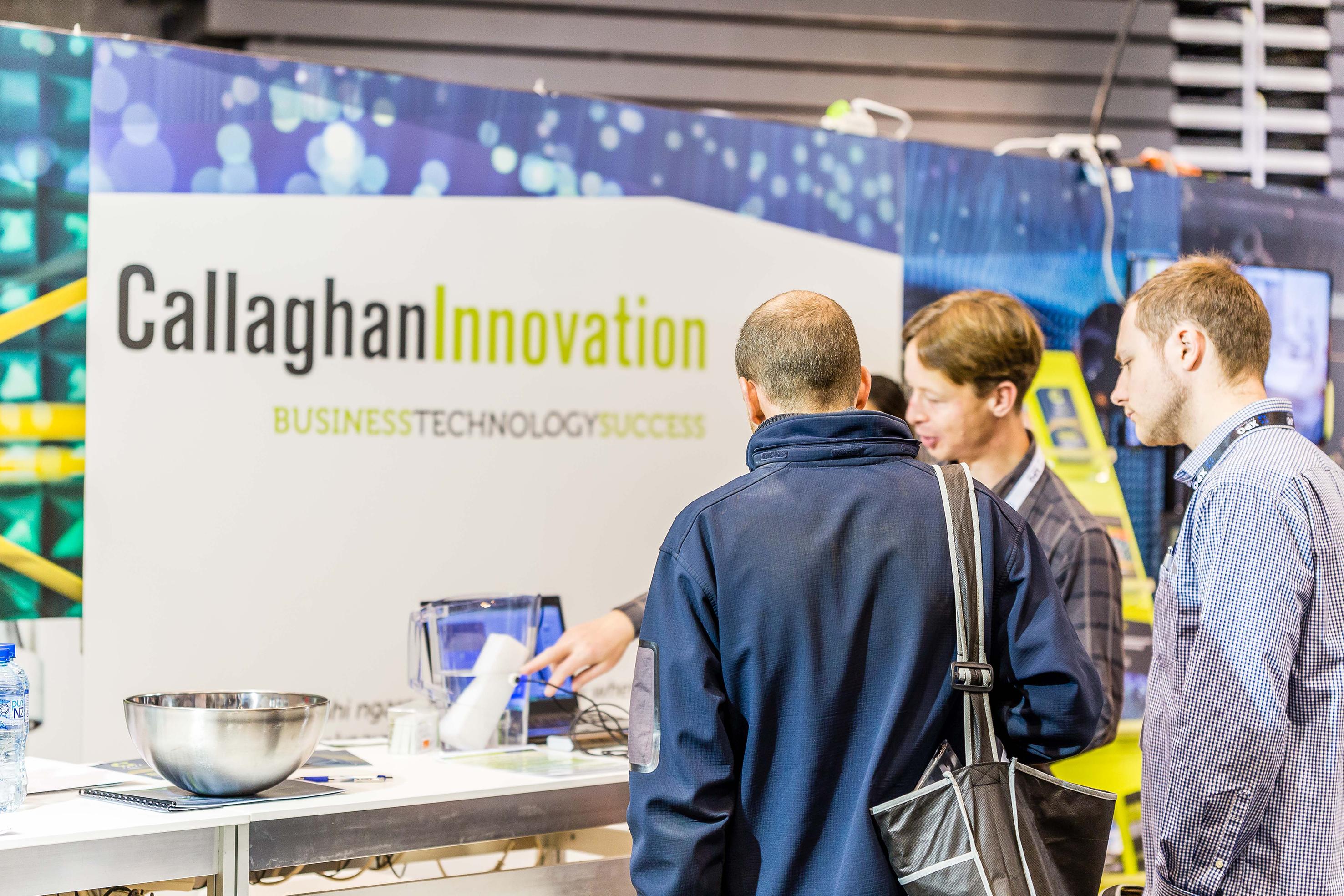
SouthMACH 2019 what’s not new!
Entrepreneur’s development lab Local Canterbury businesses and organisations have created the ‘go to’ destination at this year’s SouthMACH! Motovated Design & Analysis, Brush Technology, ARA Mechanical Engineering, The Ministry of Awesome and Fab Lab have joined forces and created a unique environment for creativity and information sharing, building new knowledge, […]

We need evolution not revolution
Competenz responds to proposed workplace training reforms Competenz, one of the country’s largest industry training organisations (ITOs), says the government’s proposal to reform the vocational education sector and merge ITOs and polytechnics could undermine critical workplace and apprenticeship training that is vital in addressing New Zealand’s skills shortages. “The […]
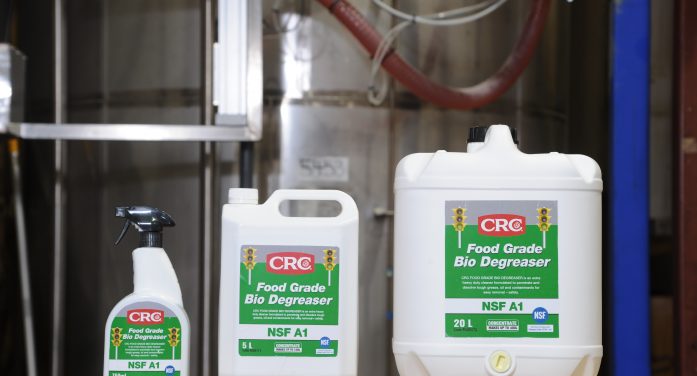
CRC launches new food grade bio-degreaser
CRC Industries has introduced a new NSF A1-rated CRC Food Grade Bio Degreaser which expands its leading CRC Greenlight Food Safe Program range. The degreaser is an extra heavy-duty cleaner formulated to penetrate and dissolve tough grease, oil and contaminants for easy removal – safely. CRC Industries Australia Managing Director, […]
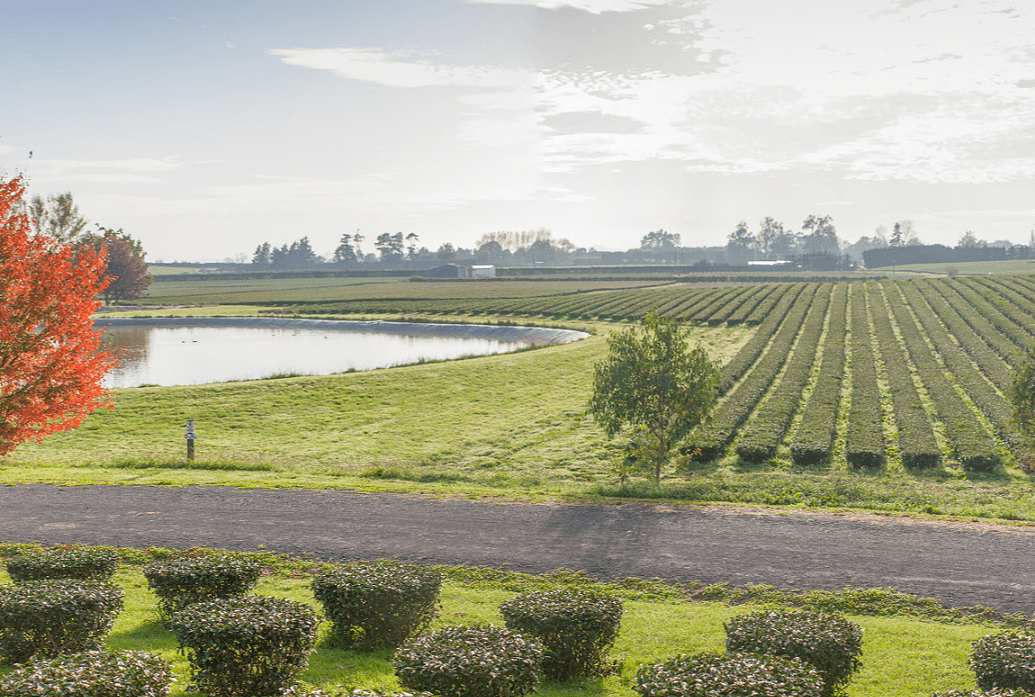
Artisan skill and technology a successful brew at Zealong Tea Estates
With 48 hectares of certified organic Camellia sinensis growing in the heart of the Waikato, Zealong Tea Estate is New Zealand’s only commercial tea estate. You can tour the estate and sculpture walk, sample a high tea at their Tea Room, have a luxurious French-inspired meal at their Camellia Restaurant prepared by a chef plucked from the Michelin-starred kitchens of Paris, or take part in a traditional tasting of their internationally awarded teas. As a visitor destination, it’s a major asset to the region and the teas have been served to the likes of China’s President Xi Jinping and Her Majesty Queen Camilla during official events, and the estate has been filmed for the BBC Earth documentary One Cup, a Thousand Stories, which highlighted the estate’s quality-based approach to producing certified organic tea. Behind the scenes, the process of manufacturing its teas blends artisan skill and technology. The EMA’s Nicholas Russell sat down with Zealong General Manager Sen Kong to find out where they have used technology to improve efficiency but also how the human touch remains irreplaceable. Zealong has invested heavily in both people and technology. Why is the human touch still so crucial in your industry? Sen Kong: Technology plays a huge role in streamlining parts of our operation, such as processing, drying and quality control, but when it comes to the actual picking of the tea, the human hand is still superior. Machines aren’t yet sophisticated enough to distinguish the top three leaves from the rest of the plant, and that matters. Those top three leaves are the most tender and flavour rich. A machine might take too much, or damage the plant, which affects secondary growth. A trained picker knows exactly how to pluck, preserving both the leaf quality and the health of the bush. In addition, tea […]